

The Smithsonian Exception
Friday Flashpoint: The Return of the History Wars?

Welcome to Friday Flashpoint where I analyze and expose important historical and social developments impacting America’s place in the world.
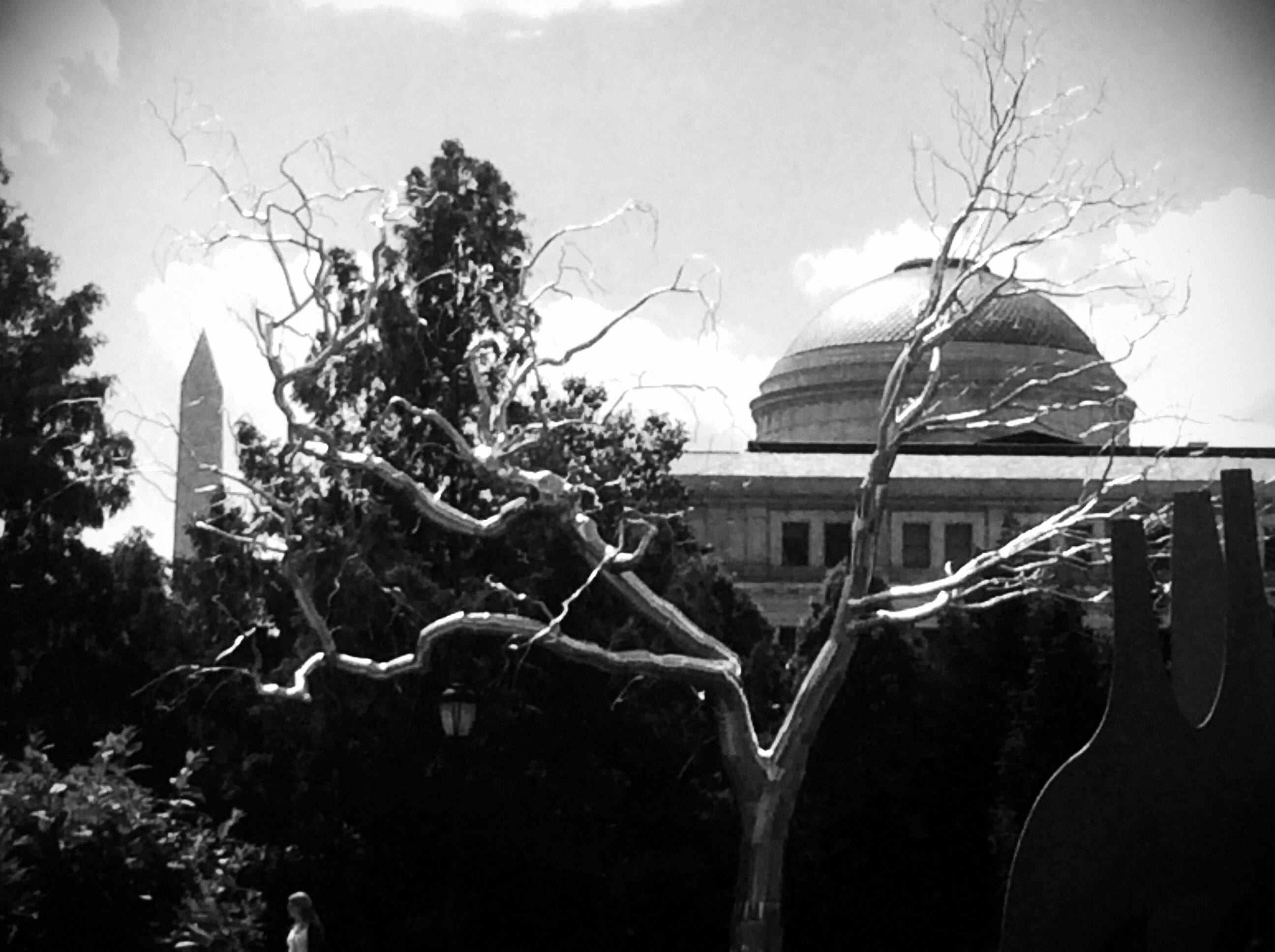
This Substack used to be called “History Wars” back when I thought I would mostly write about the confusion and arguments over US history brought about by the Kendi-Rufo controversies and the 1619 Project and its critics, but that died down around 2023/2024 so I changed the name to Outside the Academy to reflect the shift. Perhaps that was premature and I should revert the name?
Unable to score wins in the Middle East or on the economy, and with immigration down because the US is now a less attractive destination, the American president has decided to pick a fight with the Smithsonian over history. It is likely to be another defeat, even as MAGA embraces trigger warnings.
POTUS 45/47 issued an executive order directing the National Park Service to install signage along public walkways near the Smithsonian’s National Museum of American History to “warn” visitors about “inaccurate” historical information. Citing a White House report titled “Saving America’s Story,” the administration accused the museum of adopting ideological frameworks that promote social justice rather than celebrating shared national history. The Smithsonian does not have to respond or comply.
The Smithsonian is not an executive agency in any shape or form. The president of the United States is the commander-in-chief, the chief diplomat, and the chief law enforcement officer of the federal government, he is not the chief curator. The Smithsonian does not have military or diplomatic functions, and its police forces—operating out of the Office of Protection Service—are more like onsite security services with policing powers mostly limited to the space in and immediately around Smithsonian facilities.
As such the Smithsonian independence, unlike government agencies where the Supreme Court has enlarged presidential power to remove officials, does not violate the unitary executive theory: it is not part of the executive. However, the policing aspect of Smithsonian operations is the only vulnerability to presidential overreach, where the presidential administration try to insist that the occasions when Smithsonian officers act as federal police officers means they should be under the presidents command, but, that risk can be easily mitigated by keeping Smithsonian officers, strictly within bounds related directly to their facilities and the immediate environs. Likewise a functional classification that they are security for the institution and not “police” would shield them from any argument that any entity exercising federal arrest powers must answer to the Attorney General or President under Article II.
But it needs to be said that the Smithsonian is not like the Kennedy Center, the president does not appoint the board.
The Board of Regents serves as the primary governing body responsible for administering the Smithsonian Institution, overseeing its operations, property, and finances. The Board possesses the authority to appoint the Secretary, currently the historian Dr. Lonnie Griffith Bunch III ,who acts as the chief executive officer managing daily operations across the museum and research complex. Through its statutory powers, the Board sets overarching strategic policy, manages major budgetary decisions, and maintains general stewardship over the national collections.
There are seventeen members of the Smithsonian Board of Regents. The Vice President of the United States and the Chief Justice of the United States serve on the Smithsonian Board automatically with the Chief Justice traditionally serving as the ceremonial chancellor of the Smithsonian. Three members are US senators appointed by the Vice President. Another three are members of the US House appointed by the Speaker.
The remaining nine are private citizens nominated by the Board of Regents itself and appointed through a Joint Resolution of Congress that is signed into law by the President. Two must live in capital, and the other seven must come from outside DC and live in different states.
The Board of Regents serves as the primary governing body responsible for administering the entire Smithsonian Institution, overseeing its operations, property, and finances. The Board possesses the authority to appoint the Secretary, who acts as the chief executive officer managing daily operations across the museum and research complex. Through its statutory powers, the Board sets overarching strategic policy, manages major budgetary decisions, and maintains general stewardship over the national collections.
Current Members of the Board of Regents
John G. Roberts, Jr. (Chancellor of the Smithsonian) — Chief Justice of the United States (Ex Officio, Republican)
JD Vance — Vice President of the United States (Ex Officio, Republican)
John Boozman — U.S. Senator (Republican, Arkansas)
Catherine Cortez Masto — U.S. Senator (Democrat, Nevada)
Gary Peters — U.S. Senator (Democrat, Michigan)
Carlos Giménez — U.S. Representative (Republican, Florida)
Doris Matsui — U.S. Representative (Democrat, California)
Adrian Smith — U.S. Representative (Republican, Nebraska)
Barbara M. Barrett — Citizen Member (Arizona)
Toni Bush — Citizen Member (District of Columbia)
Roger W. Ferguson, Jr. — Citizen Member (Florida)
Michael Govan — Citizen Member (California)
Michael M. Lynton — Citizen Member (New York)
Denise M. O’Leary — Citizen Member (Colorado)
Franklin D. Raines — Citizen Member (District of Columbia)
There are currently two vacancies, and the only official role of the president is to sign the joint-resolution of Congress after Congress has vetted and approved the members.
The Smithsonian has been called “the nation’s attic” and Americans should be proud that they have developed the world’s largest and greatest museum. It is free and open to the public, setting it apart from similar institutions around the world. It should be kept out of political fights, especially those that clearly distractions from failures of maladministration.
There is more than national pride at stake, there is an important moral point at the heart of the dispute over the work of the Smithsonian. The Institution is a sacred trust established under ancient principles of respect for wills, testaments and covenants.
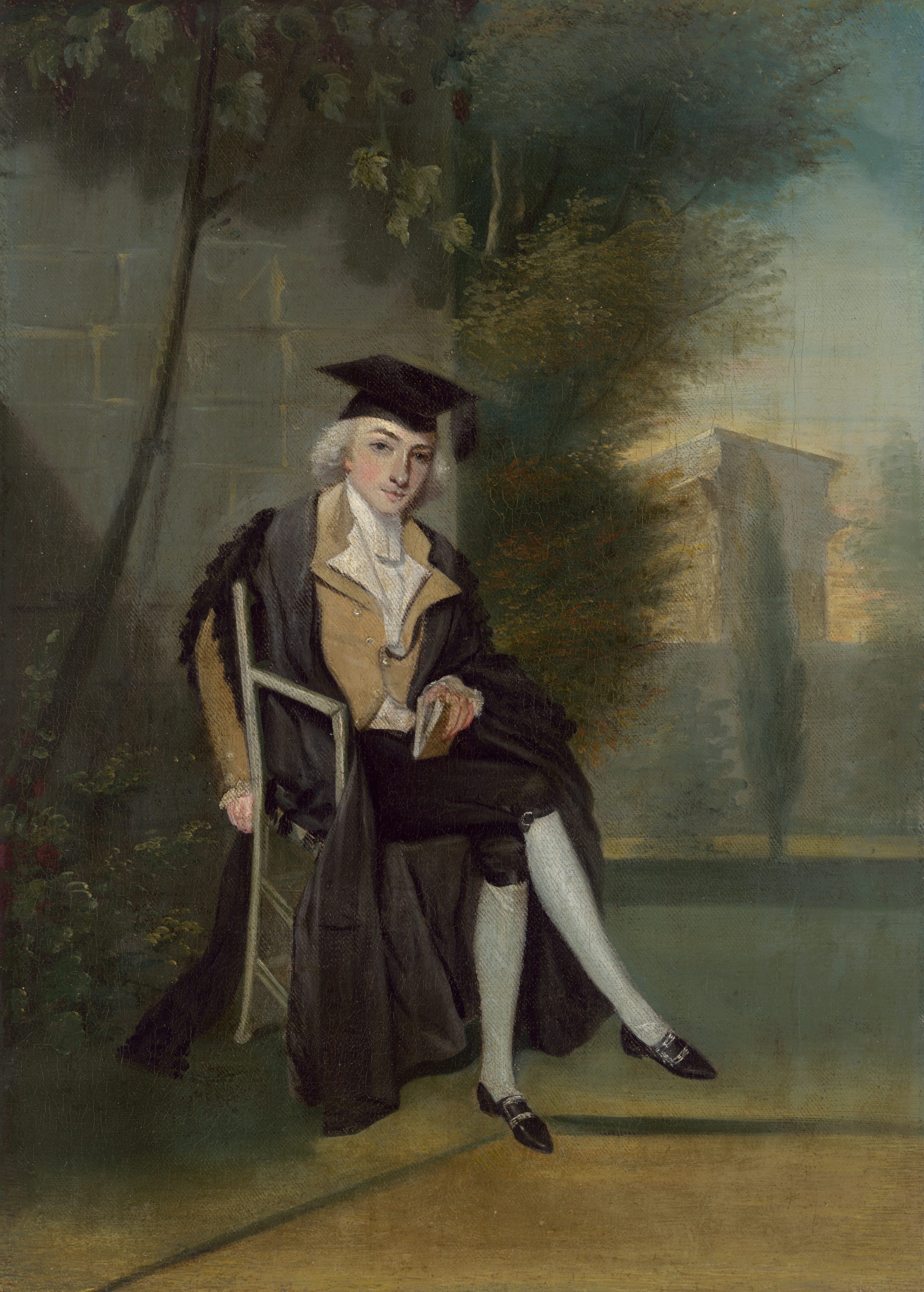
James Smithson (1765-1829) was an accomplished British scientist. However, he was also a British bastard, the illegitimate son of the Duke of Northumberland. Georgian British society made him feel the sting of his illegitimacy every chance it got. Faced with mistreatment and shunned for years, the resentment built-up, and unable to inherit his own father‘s fortune or title, Smithson left his personal wealth not to the British Empire, but to the rising American Republic.
It was his final parting shot and his hope for the future, that America would be a place where a person would be judged truly by their character and therefore, the best place to advance mankind.
I then bequeath the whole of my property subject to the annuity of one hundred pounds to John Fitall, and for the security and payment of which I mean stock to remain in this country, to the United States of America to found at Washington, under the name of the Smithsonian institution, an establishment for the increase & diffusion of Knowledge among men.
—Will of James Smithson, namesake and benefactor of the Smithsonian Institution
America accepted the money and created the institution, and America has a responsibility to keep the Smithsonian on mission. The Smithsonian Institution does not exist to tell reassuring stories that might appeal to those who don’t actually care about history as it happened. Its purpose is to disseminate knowledge for everyone’s benefit. For Americans, there can be no greater duty than to tell the history of the republic with the good, the bad, the ugly, and beautiful. And that is why it should continue to be kept as far away from the presidency as possible.